

The international table olive market is currently undergoing a period marked by the consolidation of global consumption, the evolution of major importing markets and a growing need for producers and exporters to adapt.
According to the latest data from the International Olive Council (IOC), global production reached approximately 3.3 million tonnes in the 2024/25 crop year, one of the highest levels in the historical series. For the 2025/26 crop year, estimates point to production of around 3 million tonnes, with declines expected in some major producing countries such as Spain and Türkiye.
An increasingly international consumption
Global table olive consumption currently exceeds 3 million tonnes. Although traditionally producing countries continue to play an important role, the product has also established itself in markets far removed from Mediterranean culture.
The United States, Brazil and Canada stand out among international markets with significant demand. In addition, IOC data show positive developments in recent trade: during the first months of the 2025/26 crop year, table olive imports in some of the main international markets grew by around 8% compared with the same period of the previous crop year.
This expansion reflects the ability of table olives to become part of different consumption habits and creates opportunities for companies capable of responding to diverse preferences, formats and commercial requirements.
Adaptation, quality and responsiveness
The internationalization of the sector also brings new challenges. Exporters must operate in an environment where each market has its own requirements regarding labeling, food safety, documentation, formats and product specifications.
Added to this is growing international competition. Spain maintains a leading position within the European sector, but other producing countries continue to develop their commercial and export capabilities. In this context, aspects such as traceability, certifications, production flexibility and adaptation to each customer are becoming increasingly important.
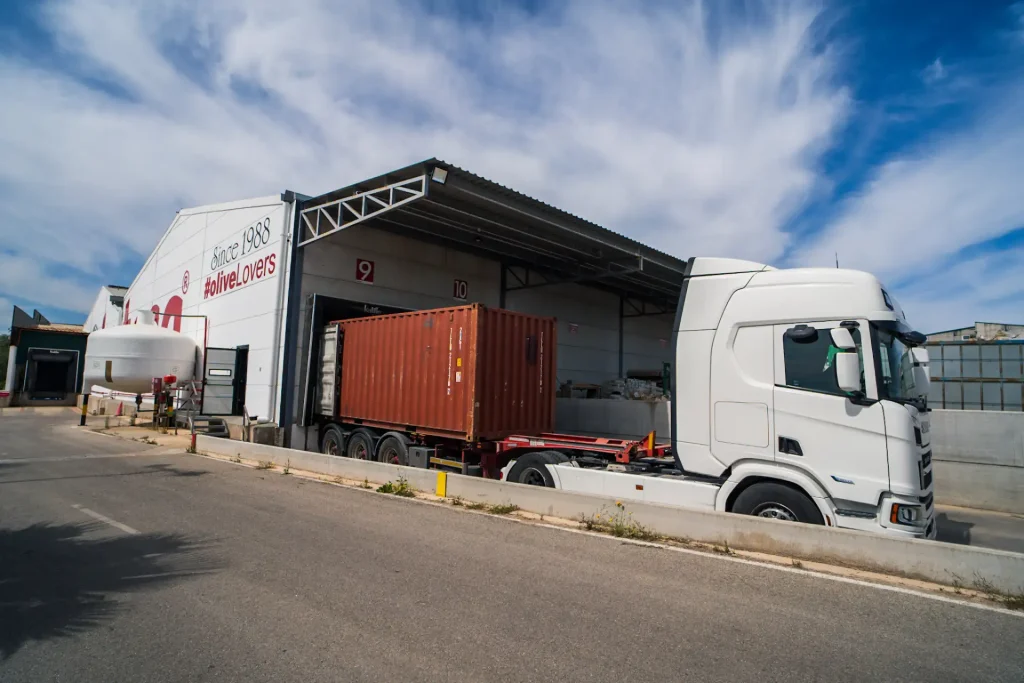
For Hutesa, which is present in more than 50 countries across five continents, this reality is part of its daily business. Export experience, knowledge of different markets and the ability to work with different varieties, preparations and formats enable the company to respond to an increasingly global and demanding sector.
The future of table olives therefore depends on continuing to expand into new markets without losing sight of the factors that underpin international competitiveness: quality, safety, innovation and adaptability.
