

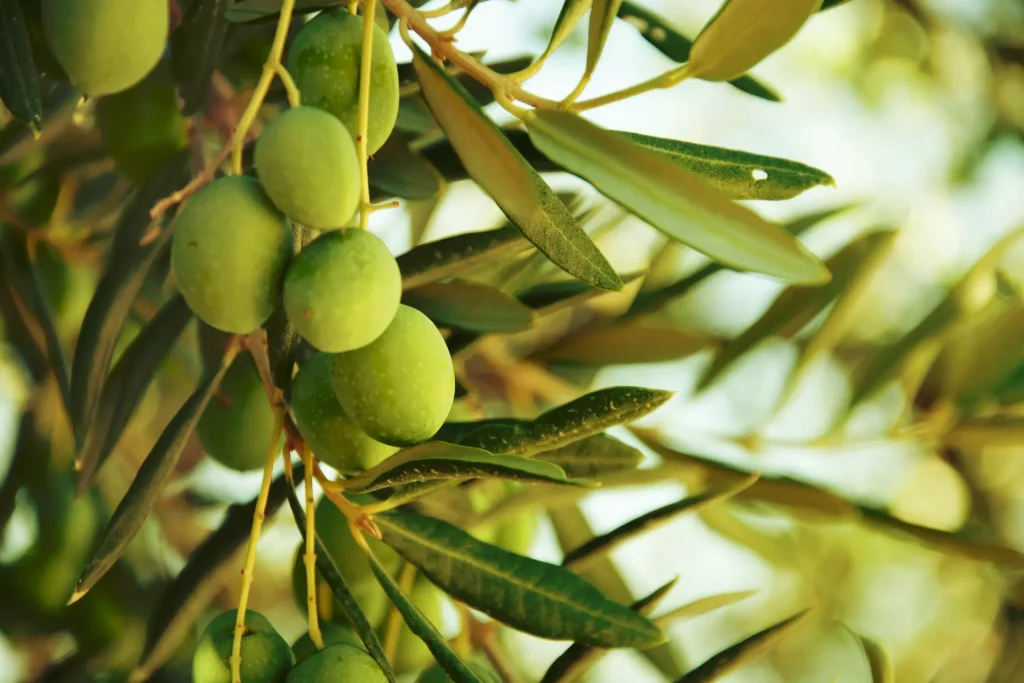
Table olives are versatile, well-known, and valued products worldwide, especially in international markets seeking the authenticity and quality of Mediterranean ingredients. In this context, the three most prominent varieties —Manzanilla, Gordal, and Hojiblanca— play an essential role. For distributors, understanding the characteristics, benefits, and key differences of these varieties is crucial to meet market demands and offer superior-quality products. Below is a distributor guide that will help highlight each variety and facilitate their commercialization in different markets.
1. Manzanilla Olive: A Classic with Mild Flavor
The Manzanilla olive is one of the most popular varieties in Spain and worldwide, known for its small size, mild and slightly salty flavor, and tender texture. This variety is primarily cultivated in the Cádiz and Sevilla regions, and its main appeal is its versatility at the table. Manzanilla is mainly marketed as a green olive and is highly appreciated by consumers seeking a fresh and light taste, perfect for appetizers or salads.
- Key Characteristics:
- Flavor: Mild and slightly salty
- Texture: Tender flesh, easy to eat
- Common Uses: Ideal as an appetizer, in salads, or in tapas dishes
- Common Formats: Whole, pitted, and sliced
For distributors, Manzanilla is a low-risk option with wide acceptance in international markets, especially in Europe and the Americas, due to its neutral flavor and versatility in various culinary applications.
2. Gordal Olive. The Large-Sized Jewel
The Gordal olive is another star of table olives, standing out for its robust size and meaty texture. It is mainly cultivated in the Andalusia region and is one of the most sought-after varieties in export markets due to its impressive size and versatility. Gordal is highly valued both in its natural form and when stuffed with ingredients such as almonds, fresh garlic, or chili, making it an excellent option for consumers seeking innovative and gourmet products.
- Key Characteristics:
- Flavor: Mild, with a meaty texture
- Size: Large, ideal for stuffing
- Common Uses: Perfect for stuffing, as a salad ingredient, or as a premium appetizer
- Common Formats: Whole, pitted, and stuffed
As a distributor, Gordal is an excellent option to attract markets looking for premium products. Its size and ability to be stuffed allow for differentiated offerings that stand out on shelves and in restaurant menus, particularly in the foodservice segment.
3. Hojiblanca Olive: A Variety with Intense Flavor
Hojiblanca is one of the most recognized varieties, not only in Spain but also in international markets. This olive stands out for its characteristic flavor, slightly bitter and fruity, making it a unique option for consumers seeking more distinctive flavors than milder varieties. Hojiblanca is ideal in both green and black forms and is mainly used whole, pitted, or stuffed.
- Key Characteristics:
- Flavor: Intense, slightly bitter with a fruity note
- Texture: Firm and juicy
- Common Uses: Perfect for stuffing, as a tapa, or in salads
- Common Formats: Whole, pitted, stuffed, and sliced
For distributors, Hojiblanca is an excellent option to diversify their portfolio, as its distinctive flavor can attract consumers seeking products with personality. Its versatility in formats and adaptability to market needs make Hojiblanca suitable for a wide range of consumers, from those interested in gourmet products to everyday options.
Why These Varieties Are Important for Distributors
As a distributor, it is crucial to understand the differences among these three varieties to offer products that meet the specific needs of each market. Each olive variety has its own flavor profile, texture, and presentation, allowing distributors to better adapt to customer demands. Additionally, each variety has different production cycles and consumer markets, directly impacting profit margins and seasonal demand.
- Key Markets: The three varieties have a strong presence in international markets, especially in Europe, the Americas, and Asia. Distributors should understand local preferences to maximize sales opportunities in each region.
- Versatility: Manzanilla, Gordal, and Hojiblanca olives are available in a variety of formats and presentations, allowing distributors to cater to retail, foodservice, and private label needs.
- Added Value: Offering differentiated products, such as stuffed or sliced olives, can be an effective strategy to attract a more demanding, higher-income consumer segment.
For table olive distributors, understanding the characteristics and commercial opportunities offered by Manzanilla, Gordal, and Hojiblanca is essential to maximize market success. By offering a product range that includes mild, stuffed, and large-sized options, distributors can meet consumer demands and adapt to a constantly evolving global market. These three varieties have unique yet complementary traits, enabling distributors to provide a complete and diverse offering that appeals to a wide range of customers.
